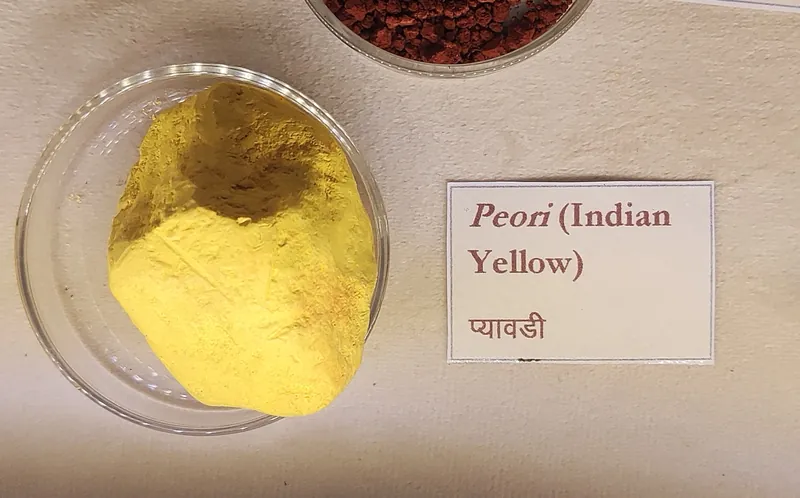
Today paint comes in a tube with a barcode. For centuries, artists’ colours came from places you really wouldn’t want to think about.
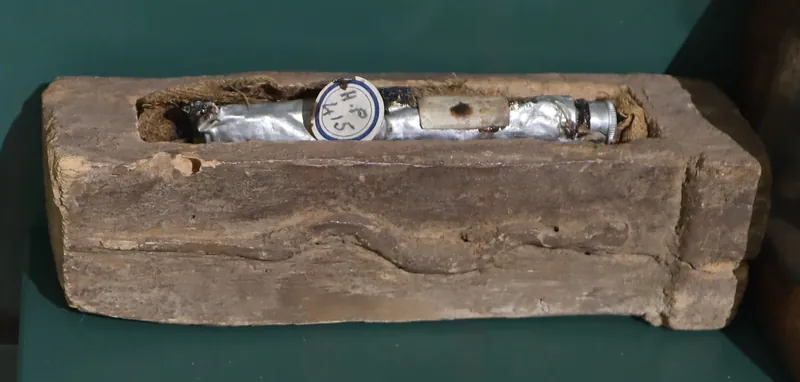
Mummy brown: exactly what it sounds like
Mummy brown was made by grinding up ancient Egyptian mummies and mixing the powder with white pitch and myrrh. Art UK describes the colour as somewhere between burnt and raw umber. Art UK
The Pre-Raphaelite painter Edward Burne-Jones didn’t realise what was in it. When Lawrence Alma-Tadema told him, he was so upset that he held a funeral for his tube in the garden. His nephew Rudyard Kipling later remembered being told “we must bury it accordingly”. Art UK
The colour lasted a surprisingly long time. In 1904 the paint firm O’Hara and Hoar wrote to the Daily Mail asking for a mummy for making colour. The London colourmen Roberson listed mummy brown in their catalogue until 1933 and made their last tube in 1964. Art UK
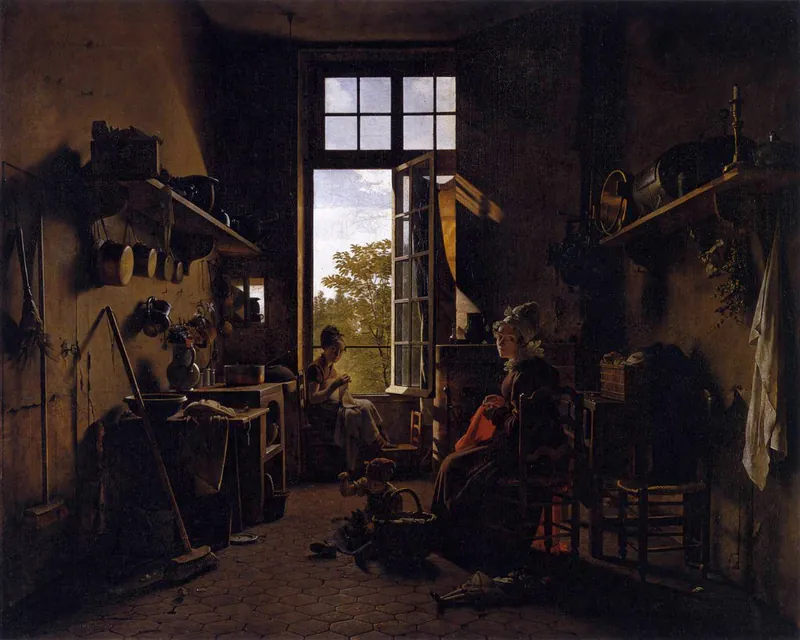
Which paintings contain it? Nobody can say for certain, because testing would damage them. Art UK lists Martin Drolling’s Interior of a Kitchen (1815) among paintings rumoured to contain it. Art UK
Scheele’s green: the wallpaper that could poison you
In 1775 the chemist Carl Wilhelm Scheele invented a cheap, bright green made of copper arsenite. It faded less than earlier greens and was used to print wallpaper through much of the 19th century. Cooper Hewitt
By 1858 the press was sounding the alarm: one London manufacturer was said to use two tons of arsenic a week for wallpaper, and a single square foot was said to hold enough to poison five or six people. You didn’t have to lick it, either. Flaking pigment could be breathed in, and damp and heat could release toxic vapours. Cooper Hewitt
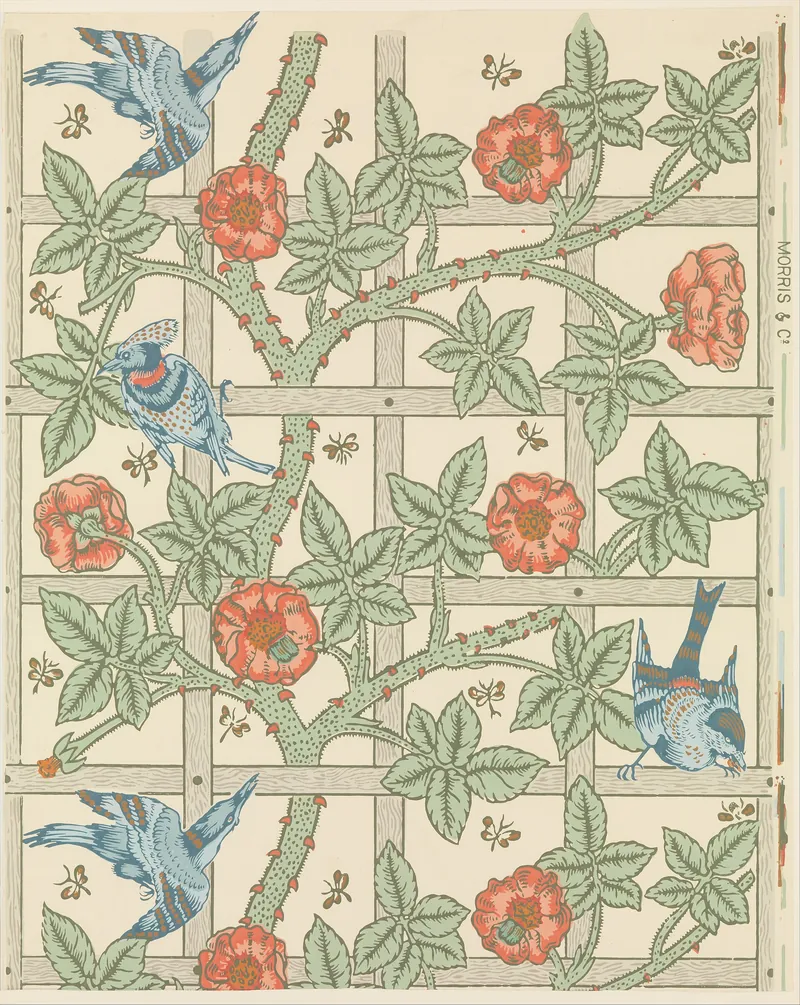
The Morris wallpaper shown here is a famous 1862 design. We are not saying this sheet contains arsenic; Cooper Hewitt says only that many 19th-century wallpapers in a certain yellow-green are thought to. Cooper Hewitt
Indian yellow: the cow story